


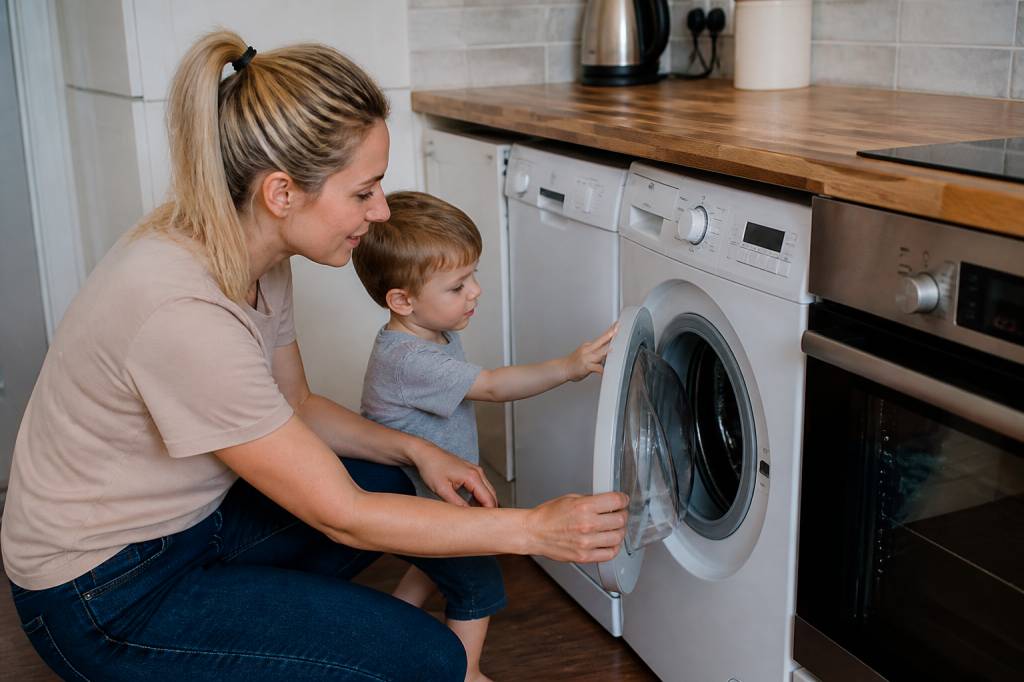
If you’re raising children on your own, the last thing you want is a broken washing machine, a fridge that gives up the ghost, or a cooker that decides it has had enough of modern life. Yet that’s exactly the kind of emergency that can throw a single-parent household into chaos. The good news? There are schemes and charitable grants in the UK that may help with essential white goods when money is tight.
In this guide, we’ll walk through how to apply for a white goods grant as a single parent, where to look, what documents you may need, and how to improve your chances of getting help. Think of it as a practical, no-nonsense roadmap for one of those “I really didn’t need this this week” moments.
What is a white goods grant?
A white goods grant is financial help, usually from a charity, local scheme, or support organisation, that helps people buy essential household appliances. These often include items like:
Sometimes the grant is given as money. Other times, it is provided as a voucher, direct purchase, or access to low-cost refurbished appliances. Each scheme works differently, which is why it’s important to read the rules carefully before applying.
For single parents, this type of support can make a huge difference. After all, when you’re juggling childcare, work, school runs, and bills, replacing a vital appliance can feel impossible. And if your washing machine breaks with three school uniforms and a muddy PE kit waiting in the basket, that’s not just inconvenient — that’s a small domestic crisis.
Who can apply?
Eligibility varies depending on the organisation offering the grant, but many schemes are designed for people on a low income or facing financial hardship. As a single parent, you may be eligible if you:
Some grants are aimed specifically at families with children, while others are open to anyone in need. Being a single parent doesn’t automatically guarantee approval, but it can strengthen your case if you can show that the appliance is essential for your family’s daily life.
Where to look for white goods grants
The biggest challenge is often not applying, but knowing where to search. White goods help in the UK usually comes from a mix of sources rather than one central government grant. Here are the main places to check.
Local councils and welfare assistance schemes
Many councils in the UK run Local Welfare Assistance schemes or hardship funds. These are often designed to help residents in crisis with essential living costs. Some councils may offer support for furniture and white goods, especially if you are on a low income or escaping difficult circumstances.
Search your council’s website using terms like:
Each council has different rules, so don’t assume you won’t qualify until you’ve checked. Some schemes are underused simply because people don’t know they exist.
Charities and charitable trusts
Charitable grants are one of the most common ways to get help with white goods. These organisations often support people on benefits, low incomes, or those facing temporary hardship. Some give direct help for appliances; others offer money for essential household items.
Examples of charities and grant-giving organisations to explore include:
Not every charity will accept direct applications from the public. Some require a referral from a support worker, school, housing officer, GP, or debt adviser. That may sound like extra admin, but if you already have someone helping you, ask them whether they can refer you.
Food banks and crisis support services
Some food banks and crisis support organisations can also help connect you to white goods support, especially if you’re in immediate hardship. While they may not provide appliances themselves, they can often refer you to the right scheme.
If you are already using a food bank, a domestic abuse service, or a family support charity, ask whether they know of any emergency grants in your area. A quick conversation can sometimes open a door you didn’t know existed.
How to apply for a white goods grant
Applying is usually straightforward, but the process can vary. Here’s a sensible step-by-step approach.
Check the eligibility rules first
Before filling in any forms, read the criteria carefully. Some schemes require you to:
It sounds obvious, but this step matters. Nothing is more frustrating than spending an hour on an application only to discover you missed one important rule. The fine print may not be glamorous, but it can save you time and disappointment.
Gather your documents
Most applications will ask for proof of your situation. Have the following ready if possible:
Some charities also like a brief explanation of why you need help. This doesn’t need to be a dramatic essay. Keep it honest and clear: you’re a single parent, you have children depending on you, and replacing the appliance yourself is not currently affordable.
Write a clear explanation of your situation
Many applications include a personal statement or short supporting paragraph. This is your chance to explain what’s going on in real life, beyond the boxes on the form.
For example, you might say:
“I am a single parent with two children, one of whom has school uniform and sports kit that needs frequent washing. My washing machine has stopped working, and I do not have savings to replace it. I am currently receiving Universal Credit and trying to manage essential bills on a very limited budget.”
Simple. Clear. No need for a novel. The people assessing your application want to understand your need quickly.
Submit the application and keep a copy
Once you’ve completed the form, submit it and keep copies of everything. If you apply online, save screenshots or emails. If you post documents, use recorded delivery where possible. That way, if anything goes missing, you have a paper trail.
Processing times vary. Some grants are quick; others take weeks. If your appliance has already failed, mention that the issue is urgent and explain why it affects your family’s day-to-day life.
What if you’re refused?
Being turned down is disappointing, especially when you were already hoping for a bit of relief. But a refusal does not always mean the end of the road.
If your application is rejected, you can:
Sometimes a refusal happens because the fund is oversubscribed rather than because you don’t need help. In those cases, another organisation may be more flexible.
Other ways to get help with white goods
If a grant isn’t available, you still have options. White goods are expensive, but there are ways to reduce the cost.
Refurbished or second-hand appliances
Some charities and community projects supply refurbished appliances at a much lower price than buying new. These items are usually tested and cleaned before being passed on. They may not be perfect, but they can be a lifesaver.
Look for:
Just be careful to check whether the appliance comes with a guarantee, especially if you’re buying from a private seller. No one needs a bargain that breaks down three days later.
Budgeting advances or emergency loans
If you receive certain benefits, you may be able to apply for a Budgeting Advance through Universal Credit. This is not a grant, because it needs to be repaid, but it can help spread the cost of essential items.
Before borrowing, think carefully about whether the repayments will fit your budget. If you’re already stretched thin, a loan can help in the short term but create pressure later. Use it only if it’s genuinely manageable.
Help from family, friends, or community groups
Sometimes support comes from the people around you. A school parent group, church, community organisation, or local mutual aid group may know someone donating a spare washing machine or fridge. It may feel awkward to ask, but people often want to help more than we expect.
If you are part of a local community group on social media, post a simple request. You don’t need to overshare. Just explain what you need and whether you can collect it. You may be surprised by how quickly people respond.
Tips to improve your chances of success
Grant applications are usually competitive, so it helps to make yours as strong as possible. A few small details can make a big difference.
If the form feels overwhelming, tackle it in small sections. You don’t have to finish everything in one sitting. A cup of tea, ten minutes, and one completed section is still progress.
Common mistakes to avoid
A few avoidable errors can delay your application or reduce your chances of success.
It’s easy to rush when you’re stressed, but a careful application usually works better. If possible, read everything twice before submitting.
Final thoughts for single parents
Trying to keep a home running on one income is hard enough without a broken appliance turning everyday life upside down. If you’re a single parent looking for help with white goods, remember that support does exist, even if it takes a bit of digging to find it.
Start with your local council, then check charity grant search tools, family support organisations, and community resources. Gather your documents, explain your need clearly, and don’t be discouraged if the first application doesn’t work out. The right support can make a real difference to your family’s routine, your stress levels, and your bank balance.
And when that washing machine starts spinning again after weeks of hand-washing school uniforms in the sink? That’s not just a household upgrade. That’s a small victory worth celebrating.